
Understanding Why UK Horse Racing Is Not On During Key Periods
Last Updated on August 14, 2026
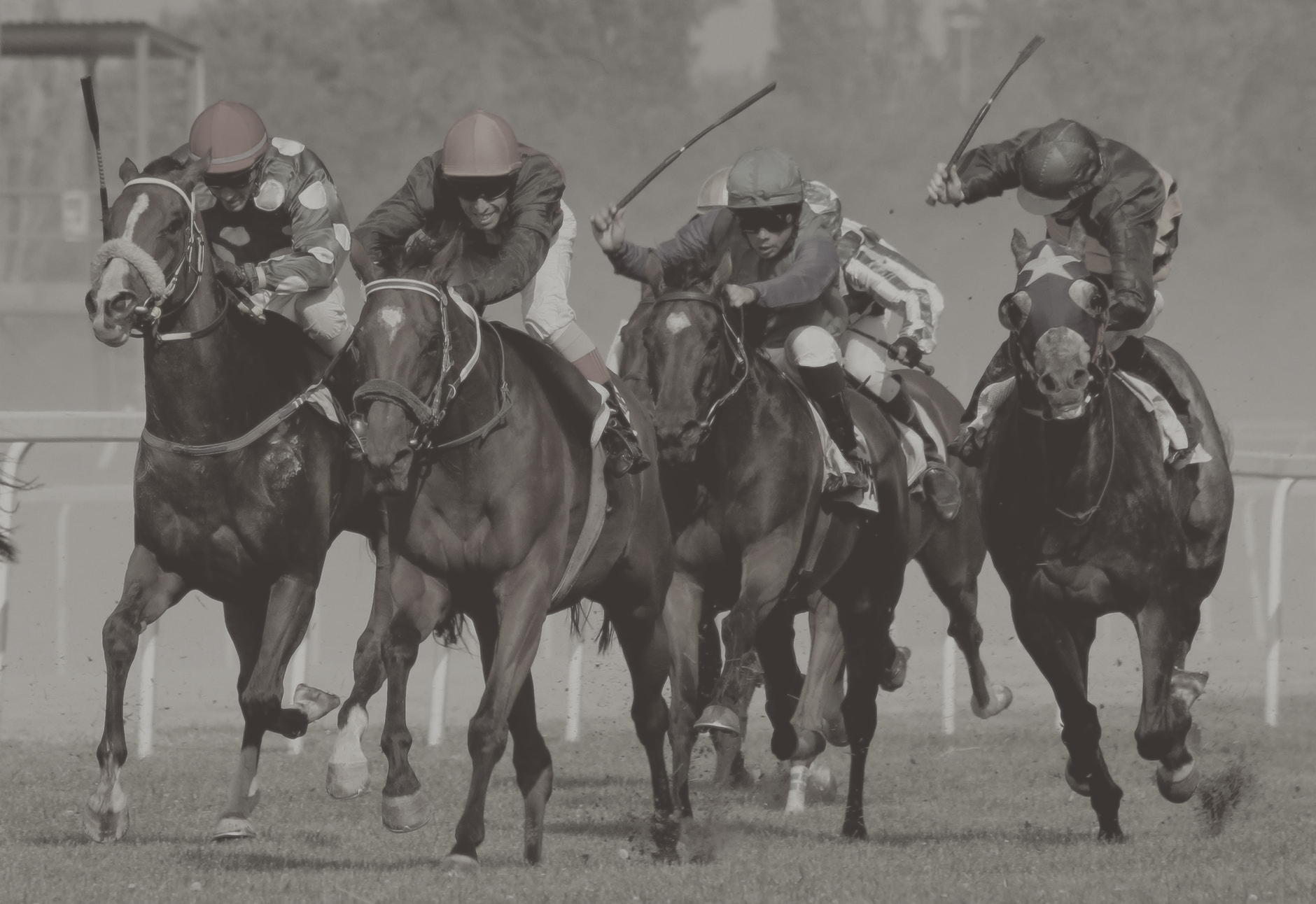
Understanding Why UK Horse Racing Is Not On During Key Periods
The landscape of UK horse racing not on GamStop non GamStop horse racing in the UK is rich and vibrant, yet there are specific times when the races come to a halt. Understanding these pauses is essential for both fans and participants in the field, as well as for bettors looking to make informed decisions. In this article, we’ll delve into the various reasons why UK horse racing is not on at certain times of the year and the implications of these breaks.

The Racing Calendar in the UK
The UK boasts a diverse racing calendar that showcases a variety of events throughout the year. From the prestigious Cheltenham Festival to the exciting Royal Ascot, there are numerous high-profile meetings that captivate audiences and draw significant betting activity. However, even within this bustling environment, there are crucial periods when racing does not take place.
Seasonal Breaks
One reason for the interruption in horse racing activities is the seasonal breaks. The UK racing calendar is structured to include months of active racing followed by a period of rest, particularly during the winter months. Typically, the flat racing season runs from April to October, while jump racing generally spans from October to April. During the off-seasons, many racing tracks undergo necessary maintenance, and horses are given much-needed rest to prepare for the next racing season.
Weather Conditions
Another significant factor affecting horse racing in the UK is the unpredictable weather. Heavy rains, snow, and icy conditions can render tracks unsafe for racing, leading to cancellations. The British weather is notoriously capricious, and while there are measures in place to ensure track safety, extreme conditions may necessitate a halt to racing altogether.
Regulatory and Safety Measures
The safety of horses, jockeys, and spectators is paramount in the racing industry. Regulatory bodies such as the British Horseracing Authority (BHA) enforce strict guidelines that govern racing activities. If any safety concerns arise—such as issues related to track conditions or horse health—races may be postponed or cancelled. Additionally, administrative decisions regarding the scheduling of events can also lead to breaks in racing.
Festival Breaks and Industry Events
Throughout the year, several high-profile festivals dominate the racing calendar, and while these events attract significant attention, they can also lead to breaks in regular racing. For instance, during the time of major festivals, local tracks may suspend races to accommodate the influx of participants and fans. Furthermore, industry events, training sessions, and horse sales can result in interruptions to the typical racing schedule.
Impact on Bettors and Fans
The pauses in racing can have various implications for bettors and fans alike. For bettors, the disruption can create challenges in maintaining betting momentum and finding profitable opportunities. Fans, on the other hand, may experience a sense of loss during these breaks, as they look forward to the excitement and camaraderie that accompany race days. However, the downtime can also offer an opportunity to strategize and analyze past performances in preparation for the next racing season.
Future Implications for Horse Racing
As the industry evolves, key stakeholders are constantly seeking ways to enhance the racing experience and mitigate disruptions. Innovations in technology, such as improved weather forecasting and track maintenance tools, may help ensure racing continues with minimal interruptions. Additionally, with the rise of online betting and virtual racing, enthusiasts may find alternatives to engage with the sport, even during periods when traditional races are not on.
Conclusion
Although there are times when UK horse racing is not on, understanding the reasons behind these breaks provides valuable insights for participants in the industry. From seasonal breaks and weather-related cancellations to regulatory matters and major events, each factor plays a role in shaping the racing calendar. For bettors and fans, the key is to adapt to these pauses, strategically planning for what comes next and continuing to celebrate the excitement of horse racing in the UK.

Featured



Category
Recent Posts
WhalePlays Glücksspielmaschine ist ein Slotautomat mit vielen Gewinnchancen
Auto-generated excerptView more »Mastering the Donbet Casino Welcome Bonus: Common Pitfalls to Avoid
Embarking on the online casino journey can be an exhilarating experience, especially when attractive offers are available to boost your …View more »The Online Game Experience with OscarSpin Casino Slots
Auto-generated excerptView more »