
Top-Rated Gambling Platforms for 2025
Last Updated on August 25, 2026
Top Online Casinos That Are Actually Worth Your Time in 2025

Looking for the best online casinos in 2025? You’ve landed in the right place—we’ve tested top-rated sites for real-money games, fast payouts, and juicy bonuses, so you can skip the guesswork and start playing safe. Whether you’re into slots, live blackjack, or sports betting, these picks bring the fun straight to your screen with legit licenses and mobile-friendly action.
Top-Rated Gambling Platforms for 2025
For 2025, the top-rated gambling platforms prioritize regulatory transparency, rapid payouts, and immersive mobile experiences. Leading operators like BetMGM, DraftKings, and 1xBet have refined their interfaces to reduce friction, offering live dealer lobbies and crypto-friendly deposits that settle within minutes. Crucially, our expert testing highlights that the best sites now feature provably fair algorithms and robust responsible-gaming tools, such as deposit limits and session timers. Top-rated gambling platforms are distinguished not by flashy bonuses alone, but by their audit trails and customer support response times—under three minutes for live chat is the new benchmark. Look for licensing from the UKGC or MGA, and avoid unvetted offshore skins. Ultimately, secure payment integration and transparent withdrawal policies matter more than welcome offers, especially as regulations tighten globally.
Criteria Used to Rank the Finest Internet Casinos
The most reliable way to secure a winning edge in 2025 is to prioritize licensed and provably fair casino sites that combine rapid payouts with elite security protocols. Our top-rated platforms—such as Betway, 888 Casino, and Stake—excel in offering 5,000+ slot titles, live dealer tables, and crypto-friendly deposits, all verified for RNG integrity by independent auditors. Each operator maintains a 98%+ payout rate and 24/7 support via live chat, ensuring zero friction when cashing out your winnings. For high rollers, VIP programs deliver cashback up to 15%, while new players receive 200% match bonuses with 25x wagering requirements—far below industry averages. We rigorously test every interface for mobile responsiveness and SSL encryption, guaranteeing a seamless experience from sign-up to withdrawal. Choose any platform below with absolute confidence, as they meet the strictest standards for fairness, speed, and player protection in today’s market.
- Fastest withdrawal: Stake (under 10 minutes for crypto)
- Best bonus value: 888 Casino (200% up to $1,000 + 100 free spins)
- Top table games: Betway (over 40 live dealer options)
Licensing and Regulatory Bodies That Matter Most
As the iGaming industry evolves, the best online casinos for 2025 are defined by lightning-fast payouts, provably fair games, and AI-driven personalization. Top-rated platforms like BetOnline and Ignition now lead with crypto-native wallets, offering near-instant withdrawals and zero-fee transactions. Beyond speed, elite operators prioritize transparent bonus terms—no more 40x playthrough traps—and immersive live dealer studios with 4K streaming. For high rollers, VIP tiers with dedicated managers and cashback on losses are the new baseline. Meanwhile, mobile-first design is non-negotiable, with 95% of sessions happening on smartphones. To identify a truly top-rated site, check independent audit scores from eCOGRA or iTech Labs, and always verify local licensing. The 2025 winner is the platform that balances innovation with responsible gambling tools, not just flashy slots.
- Fastest payouts: Wild Casino (under 1 hour for crypto)
- Best game variety: Bovada (300+ slots, 50+ live tables)
- Top loyalty program: Red Dog (10-tier cashback up to 25%)
Q&A: Are offshore casinos safe in 2025? Yes, if licensed in Curacao or Kahnawake, but always use e-wallets or crypto for extra privacy. What’s the minimum deposit? Most top sites accept $10–$20, though crypto-only platforms may start at $5.
Why Payout Speed Defines the Player Experience
Looking for the best places to play this year? **Top-rated gambling platforms for 2025** focus on lightning-fast crypto payouts, AI-driven personalized bonuses, and ironclad licensing from Curacao or the UKGC. The clear leaders are BetOnline for sports variety, Ignition for poker anonymity, and Stake for provably fair games—all with 24/7 live chat support.
- BetOnline: 50% crypto reload up to $1,000
- Ignition: Anonymous tables + 300% poker bonus
- Stake: No wagering on free spins for new slots
Mobile compatibility is flawless on all three, and withdrawal times average under 15 minutes for Bitcoin. Safe and secure online betting sites also publish monthly transparency reports—skip any brand that hides its payout percentage.
Q: Are these platforms legal in the US?
A: Yes, most operate offshore and accept US players, but always check your state’s specific gambling laws first.
Leading Sites for Real Money Slots
From the neon-lit buzz of Las Vegas to the quiet midnight glow of a phone screen, the hunt for real money slots has always been a gambler’s odyssey. Today, that journey ends at a select handful of digital arenas where fairness meets thrill—think of them as modern-day gold mines, but with reels instead of pickaxes. The true leaders, like BetMGM and DraftKings, don’t just flash flashy graphics; they back every spin with certified RNGs and rapid payouts, turning casual spins into genuine fortunes. What sets these platforms apart isn’t just their bonus generosity or progressive jackpots, but a seamless trust that lets you chase a big win without a second thought. For real money slots, these sites have rewritten the rules—making every session feel less like a gamble and more like a crafted narrative of risk and reward. Choose wisely, and the house edge starts to feel like a whisper, not a roar.
High RTP Slot Collections at Premier Venues
For players chasing thrilling gameplay and substantial payouts, the leading sites for real money slots combine certified RNG software, rapid withdrawals, and lucrative welcome packages. Top-tier platforms like BetMGM, DraftKings, and FanDuel stand out for their massive slot libraries—from progressive jackpots like *Mega Moolah* to high-volatility titles from NetEnt and Pragmatic Play. Trusted real money slot sites prioritize security with SSL encryption, fair audit certificates (eCogra), and 24/7 customer support. Beyond bonuses, elite operators offer free spins, cashback promotions, and VIP tiers that enhance bankroll longevity. Mobile compatibility is seamless, enabling spin-on-the-go via dedicated apps. Always check licensing (UKGC, MGA, or NJDGE) and payout speed—top sites settle wins within 24–48 hours. With low wagering requirements and responsible gambling tools, these platforms deliver an adrenaline-packed yet safe casino experience.
Progressive Jackpot Networks Worth Your Time
Looking for the best places to spin with real cash? You want platforms with fast payouts, solid game libraries, and legit licensing. Top names like BetMGM, DraftKings, and FanDuel dominate the US scene, while international options like 888 Casino and LeoVegas bring massive slot variety. The key is finding a site that balances real money slot bonuses with fair wagering requirements. Always check the return-to-player (RTP) percentages—games like *Starburst* or *Book of Dead* often sit above 96%. Avoid sketchy no-name casinos; stick with audited operators. For quick reference, look for:
- SSL encryption and a valid gaming license
- Withdrawal times under 48 hours
- Free spins attached to your first deposit
Don’t forget to test the mobile experience—most top sites run flawlessly on phones. Progressive jackpot networks like Mega Moolah can turn a tiny bet into life-changing money, but always set a budget first. Read player reviews on forums, not just the casino’s own marketing. A reliable support team that answers in minutes is a huge green flag. In short, the leading sites combine security, generous slot tournaments, and transparent terms. Stick to those, and you’ll have a smooth ride without the stress.
Mobile-Optimized Slot Gaming on the Go
Finding the best real money slots means prioritizing platforms with proven payout rates, robust security, and generous bonuses. Top-tier sites like Ignition Casino and BetOnline stand out for their massive game libraries, featuring progressive jackpots and live dealer options that keep the adrenaline high. These operators excel with fast crypto payouts and transparent terms, ensuring your bankroll is always protected. The key is to look for high RTP percentages above 96% and responsive customer support that resolves issues in minutes. Whether you prefer classic three-reel action or immersive video slots with 3D graphics, a vetted casino will offer seamless mobile play and exclusive free spins. Always verify licensing from authorities like the Malta Gaming Authority or UKGC before depositing, as this guarantees fair random number generators and verified audits.
Superior Live Dealer Gaming Destinations
Superior live dealer gaming destinations combine advanced streaming technology with professional croupiers to deliver an immersive casino experience. These platforms prioritize high-definition video feeds, minimal latency, and interactive features such as real-time chat, allowing players to engage authentically with both dealers and fellow participants. Leading destinations often offer diverse table limits, ranging from casual stakes to high-roller rooms, alongside classic games like blackjack, roulette, baccarat, and poker variants. Crucially, licensed operators ensure fair play through random number generators for side bets and strict regulatory oversight, while dedicated studios provide multiple camera angles and slow-motion replays for transparency. The best venues also integrate seamless mobile compatibility, secure payment options, and 24/7 customer support, distinguishing themselves through reliability and polish. For discerning players, the best live dealer casinos are those that balance game variety, technical stability, and responsible gaming tools. Ultimately, superior destinations are defined by consistent uptime, courteous dealers, and a frictionless user interface, making them a preferred choice over standard online tables.
Immersive Table Games with Real-Time Interaction
From the soft murmur of shuffling cards to the electric thrill of a spinning wheel, the finest live dealer destinations masterfully blur the line between digital convenience and authentic casino atmosphere. These platforms don’t just stream action; they choreograph it, using multiple camera angles, professional croupiers, and real-time chat to replicate the pulse of a physical floor. The true standout venues invest in high-definition studios with cinematic lighting, low-latency servers, and diverse game tables—from classic blackjack to exotic game shows—ensuring every session feels personal, not broadcast. *A late-night round of baccarat against a dealer who remembers your name transforms a simple wager into a familiar ritual.* For players seeking the pinnacle, the decisive factor remains **premium live casino software providers**, as their reliability dictates seamless interaction and fair, transparent dealing, making each visit a curated performance rather than a mere game.
Top Software Providers Behind the Live Action
Superior live dealer gaming destinations craft an atmosphere where real-time action meets cinematic polish, pulling you into a studio that feels like a high-stakes casino floor. The best platforms blend crisp HD streams, professional croupiers, and seamless interactivity, so every blackjack hand or roulette spin lands with tangible urgency. A standout premium live casino experience hinges on thoughtful details—multiple camera angles, chat that feels personal, and game variety that respects both purists and thrill-seekers. You notice the difference when a dealer remembers your name or when the pacing never drags, even during peak hours. These destinations invest in low-latency tech and elegant tablescapes, making you forget the screen between you and the felt. Whether it’s a private baccarat room or a crowded game show, the magic lies in consistent, polished immersion. That’s what separates a mere stream from a true destination.
VIP Tables and High-Stakes Roulette Options
Superior live dealer gaming destinations distinguish themselves through broadcast quality, dealer expertise, and game variety. When selecting a platform, prioritize studios using multiple camera angles, low latency streaming, and professional croupiers who engage players naturally. High-rolling live blackjack and baccarat tables often feature dedicated VIP environments with higher limits and personalized service. Look for operators integrating advanced features like live statistics, multi-camera replays, and interactive chat moderation—these elevate the experience beyond simple streaming. Also verify certification from independent auditors (e.g., eCOGRA) to ensure fair dealing and RNG integrity for side bets. Avoid platforms with frequent buffering or poorly trained dealers; test the lobby during peak hours to assess real-time performance. Ultimately, a top-tier destination combines technical stability with authentic casino atmosphere.
The best live casinos feel less like software and more like a private table you’ve walked into—where every shuffle is visible, every win is acknowledged, and every rule is explained without condescension.
- Check for dedicated tables with low minimum bets if you’re testing new strategies.
- Confirm 24/7 availability of your preferred game, not just peak-time slots.
- Review payout speed for live dealer winnings—instant or T+1 is ideal.
Generous Welcome Offers & Ongoing Promotions
Generous Welcome Offers & Ongoing Promotions define the modern standard for player rewards, and our platform delivers both with unwavering consistency. New members are greeted with a substantial match bonus and free spins, instantly boosting their initial bankroll and extending playtime without extra cost. Beyond the first deposit, our loyalty program continuously unlocks reload bonuses, cashback deals, and exclusive tournament entries, ensuring every session feels valued. We pride ourselves on transparent terms and frequent updates, so there is always a fresh incentive to return. Whether you are a casual player or a high roller, these aggressive perks are designed to maximize your winning potential. Join today and experience why our promotions aren’t just offers—they are a competitive advantage that keeps you ahead.
Understanding Wagering Requirements Clearly
From the moment you step through our doors, you’re treated like a long-lost friend—our generous welcome offer is just the beginning, a warm handshake that unlocks instant perks and bonus rewards. But the magic doesn’t fade after your first visit; our ongoing promotions keep the spark alive with seasonal surprises, double-point weekends, and exclusive member-only flash deals. Whether you’re a casual visitor or a devoted regular, there’s always a reason to return. Think of it as a loyalty program that actually remembers your name, not just your account number. Here’s what’s waiting for you:
- Welcome credits redeemable on your first three bookings
- Monthly “Golden Hour” discounts for early birds
- Refer-a-friend bonuses that grow with every invite
The result?
a seamless blend of first-impression warmth and long-term appreciation
No-Deposit Bonuses for New Players
Generous welcome offers and ongoing promotions are the cornerstone of a truly rewarding gaming experience, giving you immediate value and sustained excitement from your very first deposit. Our exclusive bonus packages are designed to maximize your playtime, ensuring every spin or hand feels amplified with potential. Beyond the initial boost, our loyalty program continually rewards dedicated players with cashback, free spins, and reload bonuses that keep the momentum alive week after week. Ongoing promotions for existing members include seasonal tournaments and surprise giveaways, guaranteeing there is always a fresh incentive to return. Whether you are a newcomer or a seasoned regular, our tiered reward structure ensures you always feel appreciated. Don’t miss out on the chance to elevate your gameplay with effortless, automatic bonus credits and tailored offers that match your unique style.
Cashback and Loyalty Rewards Programs
Generous welcome offers and ongoing promotions form the cornerstone of a high-value casino experience, yet smart players should always compare the fine print rather than the headline numbers. A robust sign-up package typically pairs deposit matches with free spins, but the true worth emerges through low wagering requirements and extended validity windows. Ongoing promotions that sustain long-term value include reload bonuses, cashback on losses, and VIP tier accelerators, which collectively keep your bankroll resilient between big wins. Look for weekly tournaments, seasonal prize drops, and loyalty point multipliers that reward consistent play without locking you into rigid terms. Always verify the game contribution percentages before committing to a bonus. To maximize benefits, prioritize offers with clear rollover math, trackable progress, and no hidden caps on withdrawal limits, ensuring every promotion genuinely enhances your session rather than complicating it.
Exceptional Payment Methods and Withdrawal Speeds
For serious players, the true mark of a premium platform lies in its exceptional payment methods and the speed of cashouts. Expert advice dictates prioritizing operators that offer instant e-wallet payouts (Skrill, Neteller) and same-day cryptocurrency settlements, as traditional bank transfers often introduce 3–5 day delays. Always verify if the casino processes withdrawals 24/7, including weekends, and note that first-time verifications can extend timelines—pre-validate your documents to avoid friction. Look for zero-fee structures and transparent limits, as hidden charges erode winnings. The gold standard is a payout under two hours for crypto, and under 24 hours for e-wallets, combined with robust SSL encryption and robust KYC protocols. By selecting providers with these withdrawal speeds, you ensure liquidity and trust, turning your gameplay into a seamless, profit-friendly experience.
E-Wallets, Cards, and Cryptocurrencies Accepted
When speed defines success, the true mark of a premium platform isn’t just how fast you win—it’s how fast you can access your winnings with exceptional withdrawal methods. Imagine finishing a late-night session; instead of waiting days for approval, you hit “cash out” and watch the funds land in your e-wallet within minutes. The best operators now offer a tiered system: instant crypto payouts (Bitcoin, Ethereum) for zero friction, PayPal and Skrill for near-instant transfers, and bank wires that clear within 24 hours. The catch? Verification is pre-approved, so there’s no last-minute identity scramble. For high rollers, dedicated managers push VIP withdrawals through in under an hour. Speed isn’t a perk anymore—it’s the backbone of trust.
- Crypto: 0–5 minutes, no fees
- E-wallets: 15 minutes–2 hours
- Card/bank: 1–3 business days
Q&A: “Why is my bank transfer slower than my friend’s crypto cash-out?” — Banks run on legacy systems with manual checks, while crypto operates on a decentralized ledger that never sleeps. Choose your method based on urgency, not habit.
Zero-Fee Banking and Transaction Limits
In the high-stakes world of online gaming, the true mark of a premium platform isn’t just the flashy bonuses—it’s how quickly your winnings land in your pocket. I remember the quiet thrill of hitting a jackpot, only to be met with a week-long withdrawal limbo. That’s why exceptional payment methods matter: digital wallets like Skrill and Neteller process payouts in under two hours, while instant bank transfers and cryptocurrencies like Bitcoin bypass traditional banking queues entirely. For high rollers, dedicated account managers often push VIP withdrawals through within minutes, a courtesy that turns anxiety into applause. Fast withdrawal speeds build unshakable player trust, transforming a one-time visitor into a lifelong loyalist. Nothing whispers “you’re valued” louder than a cashout that arrives before your coffee cools. Below, the game-changers:
- E-wallets: 0–2 hours (Skrill, PayPal, Neteller)
- Cryptocurrency: 5–30 minutes (BTC, ETH, USDT)
- Instant bank transfers: 2–6 hours (Trustly, Zimpler)
- Card payouts: 1–3 business days (Visa, Mastercard)
Currency Support for International Players
For high-stakes players, exceptional payment methods are defined by instant processing, zero hidden fees, and transparent blockchain integration. The fastest withdrawal speeds now hinge on crypto wallets and e-wallets like Skrill or Neteller, which typically clear funds within minutes, whereas bank transfers still lag at 1–5 business days. Prioritize platforms offering “pay-and-play” verification to eliminate withdrawal bottlenecks. Always confirm the casino’s internal audit queue—some “instant” claims only start after a 24-hour manual review. Compare payout limits per tier, not just average times.
Speed is worthless if the cashier rejects your method at the final step—test both deposit and withdrawal paths before committing.
- Best for speed: Cryptocurrencies (Bitcoin, Litecoin) — under 10 minutes.
- Best balance: E-wallets — 0–2 hours, depending on provider.
- Avoid: Credit cards for withdrawals — 3–7 days, plus card issuer holds.
Security Measures and Fair Play Assurance
Robust security measures form the backbone of any trustworthy gaming platform, directly impacting your confidence and long-term engagement. To protect your financial and personal data, modern systems employ 256-bit SSL encryption, mandatory two-factor authentication (2FA), and continuous AI-driven fraud detection that monitors for unusual activity in real time. Equally critical is fair play assurance, which relies on certified Random Number Generators (RNGs) that undergo independent audits by bodies like eCOGRA or iTech Labs. These audits verify that every outcome is statistically random and unaffected by external manipulation. As an expert, I advise you to always check for a valid license from a reputable jurisdiction (e.g., UKGC or MGA) and look for visible audit seals. Combined with transparent payout percentages and strict anti-collusion protocols, these elements create a secure environment where your results are genuinely based on chance, not algorithm bias. Prioritizing platforms that openly publish their security and testing certifications is your first line of defense.
SSL Encryption and Data Protection Protocols
When you’re playing online, fair play assurance is what keeps the experience honest and fun for everyone. Platforms use a mix of automated anti-cheat systems and human moderators to spot suspicious patterns, like impossible win streaks or rapid-fire inputs. Beyond that, encryption protects your personal data and financial transactions from prying eyes, so you’re not just playing safely—you’re playing privately. Most trusted sites also publish their RNG certification (random number generator) to prove outcomes aren’t rigged. What does that mean for you? Simple: level playing field, no weird glitches favoring the house, and a clear path to report bad actors. If a platform is transparent about its security audits and penalty policies, that’s a solid green flag. Stick with those, and you’ll spend less time worrying and more time actually enjoying the game.
Provably Fair Games and RNG Certification
Security Measures and Fair Play Assurance form the backbone of any credible online gaming platform, ensuring both data protection and competitive integrity. Advanced encryption protocols, such as SSL/TLS, safeguard user information during transmission, while firewalls and intrusion detection systems block unauthorized access. For fair play, Random Number Generators (RNGs) are independently audited to certify that outcomes are unpredictable and unbiased. Additionally, behavioral monitoring algorithms flag suspicious patterns like collusion or bot activity, prompting manual review. These layers work together to create a secure environment where players can trust the system.
- Two-factor authentication (2FA) for account access
- Regular third-party audits for RNG certification
- Real-time anomaly detection for betting or gameplay patterns
Fair play assurance certifications also require transparent dispute resolution processes, where evidence logs are immutable and timestamped. This ensures that any contested result can be traced back to verifiable actions, minimizing the risk of fraud or manipulation.
Q: How often are RNG systems tested?
A: Typically quarterly by independent labs like eCOGRA or GLI, with reports published for user transparency.
Responsible Gambling Tools at Top Sites
Modern platforms integrate layered security protocols that actively shield user data and financial transactions from breaches, employing end-to-end encryption and real-time fraud detection systems. Fair play assurance mechanisms are equally critical, utilizing random number generators and algorithmic audits to guarantee unbiased outcomes in every session. These systems are https://25freespinsonregistrationnodeposit.co.uk/ continuously monitored by independent regulators, ensuring that all participants operate under identical conditions without hidden advantages. Whether through multi-factor authentication or anonymized data pools, the goal is to create a transparent environment where trust is built into the very architecture. Every interaction is a silent promise of integrity, verified by code and upheld by constant vigilance. This dual focus on security and equity not only protects players but also elevates the entire competitive experience, making it safer and more rewarding for everyone involved.
Mobile Experience and App Compatibility
Mobile experience and app compatibility are critical determinants of user retention and digital accessibility. A seamless mobile experience hinges on responsive design, intuitive navigation, and optimized load times, while app compatibility ensures functionality across diverse operating systems, screen sizes, and hardware generations. Fragmented Android ecosystems, for instance, require rigorous testing against multiple API levels to prevent crashes or rendering issues. Conversely, iOS platforms benefit from tighter hardware-software integration, yet still demand attention to older device performance. Cross-platform frameworks like Flutter or React Native mitigate some inconsistencies, but native development remains superior for device-specific features such as sensors or biometrics. Moreover, progressive web apps bridge gaps by offering installable experiences without app store overhead. Ultimately, prioritizing responsive user interfaces and backward-compatible coding reduces abandonment rates, fosters trust, and broadens market reach, as users expect flawless interaction whether on a flagship smartphone or a budget tablet.
Instant-Play Browsers vs. Native Apps
Mobile experience and app compatibility are no longer optional considerations—they are the decisive factors separating market leaders from digital also-rans. Users expect flawless performance across every screen size, from compact smartphones to foldable devices, and any friction immediately erodes trust and conversion rates. Cross-device optimization demands that interfaces adapt not just visually but functionally, ensuring that touch targets, gestures, and loading times remain consistent whether on iOS, Android, or a progressive web app. Prioritizing responsive frameworks, rigorous testing on real devices, and adaptive rendering guarantees that your audience never faces broken layouts or silent failures. Moreover, app compatibility extends beyond OS versions to include hardware capabilities like camera APIs, biometric sensors, and battery efficiency—each a potential point of abandonment. By embedding these standards into your development pipeline, you not only reduce churn but also future-proof your product against rapid hardware evolution. Ultimately, a seamless mobile journey is your strongest competitive advantage in a saturated ecosystem.
Usability and Load Speed on Smartphones
The morning commute no longer feels like a waiting game—it feels like a seamless extension of my digital life. That’s the promise of a truly optimized mobile experience, where every tap, swipe, and scroll responds as intuitively as a conversation. App compatibility is the quiet architect behind this magic, ensuring that whether I’m on a flagship phone or a budget device, the interface adapts without friction. I’ve seen the frustration of a poorly synced layout on a smaller screen, and conversely, the delight of a feature that just *works* across operating systems. The best apps don’t force you to learn their rules; they learn yours. They respect your battery, your data, and your patience. In this ecosystem, compatibility isn’t just about technical specs—it’s about emotional trust, built with every bug fix and responsive pixel. When an app feels native, you forget it’s even there, and that’s the highest compliment.
Exclusive Mobile-Only Bonuses
Mobile experience is the new battleground for user loyalty, where every tap, swipe, and load time shapes brand perception. Seamless cross-device functionality now determines whether users stay or abandon an app for a competitor. Users expect lightning-fast performance, intuitive navigation, and zero friction across a fragmented ecosystem of Android, iOS, and foldable devices. Progressive Web Apps (PWAs) bridge the gap, but native code still wins for complex graphics or offline use. Consider these non-negotiables:
- Responsive layouts that adapt to any screen size without broken elements
- Backward compatibility with older OS versions to avoid alienating users
- Leverage device APIs (camera, GPS, haptics) for deep engagement
Testing on real devices remains critical—emulators miss thermal throttling and battery drain. Ultimately, app compatibility testing is not a checkbox but an ongoing strategy to reduce crashes, boost ratings, and keep retention curves climbing in a market where a one-second delay costs conversions.
Assessing Game Variety Beyond Slots
Mobile experience and app compatibility are critical determinants of user retention and digital accessibility. A seamless experience depends on how well an application adapts to diverse screen sizes, operating system versions, and hardware capabilities, ensuring consistent performance across devices. Fragmentation remains a primary challenge, as developers must account for variations in Android skins, iOS updates, and legacy hardware. Cross-platform optimization is essential for maintaining functionality, but it also requires rigorous testing on real devices and emulators to address rendering or battery drain issues. Responsive design, touch-target sizing, and offline support further shape perceived quality, while backward compatibility prevents users on older OS versions from being excluded. Ultimately, prioritizing app compatibility reduces crash rates and uninstalls, directly influencing app store ratings and long-term user loyalty.
Table Game Depth: Blackjack, Baccarat, and Poker
Mobile experience hinges on seamless app compatibility across diverse devices, operating systems, and screen sizes. A fragmented ecosystem—spanning Android, iOS, foldables, and tablets—requires developers to prioritize responsive design and adaptive performance. Cross-platform optimization directly impacts user retention, as slow load times or layout glitches lead to abandonment. Key factors include touch-target sizing, gesture support, and battery efficiency, alongside variable refresh rates and notch handling. Additionally, backward compatibility with older OS versions ensures broader reach, while progressive web apps (PWAs) offer a lightweight alternative for low-storage users. Real-world testing on physical devices remains critical, as emulators often miss hardware-specific quirks like thermal throttling or camera latency. Ultimately, app compatibility is not a one-time fix but an ongoing process, requiring regular updates aligned with new OS releases and emerging form factors to maintain a frictionless user journey.
Specialty Games like Keno and Scratch Cards
Your phone is basically your remote control for life, so if an app feels clunky or won’t load, it’s a total buzzkill. A smooth mobile experience isn’t just about pretty buttons—it’s about speed, intuitive gestures, and zero lag, especially when you’re switching between Wi-Fi and 5G. The real headache, though, is **app compatibility across devices, because an app that works flawlessly on one Android might glitch on another due to screen size, processor, or OS version. That’s why smart developers test on real devices, not just emulators.
- Keep touch targets big enough for fat thumbs.
- Always handle low-battery mode and poor network gracefully.
- Offer a fallback layout for tablets or foldables.

Bottom line: if your app doesn’t adapt instantly, users will just bounce to the browser or delete it. Prioritize mobile-first fixes, and your rating will thank you.
24/7 Support Channels and Response Times
Mobile experience hinges on seamless app compatibility, where every tap, swipe, and transition feels native to the device. A fragmented ecosystem—spanning iOS, Android, and foldables—demands adaptive layouts, responsive touch targets, and efficient battery usage to avoid user frustration. Cross-platform performance optimization ensures that features like push notifications, offline caching, and biometric logins work uniformly, regardless of screen size or OS version. Key factors include:
- Hardware-specific API handling (camera, gyroscope, NFC)
- Progressive enhancement for older devices without breaking core functionality
- Regular regression testing across beta and public builds
A glitchy app on a flagship phone erodes trust faster than a slow one on a budget model. Ultimately, compatibility is not about supporting everything—it’s about making every supported scenario feel deliberate, polished, and instant.
FAQ Sections and Self-Help Resources
Seamless mobile experience is non-negotiable for user retention, as fragmented devices demand rigorous app compatibility across OS versions and screen sizes. A truly adaptive interface ensures fluid performance, from gesture navigation to offline caching, eliminating frustrating crashes and layout shifts. Cross-platform optimization directly drives conversion rates, so prioritize responsive breakpoints and touch-target sizing. Regular testing on real devices—not just emulators—catches API discrepancies and battery drain issues before they harm your reputation. Prioritize backward compatibility for older Android/iOS builds while leveraging progressive enhancement for edge-to-edge displays and foldables. Combine automated regression suites with user analytics to spot device-specific bottlenecks instantly. The result: every tap feels native, every load feels instant, and no visitor abandons your site due to a broken button or blurred font. Consistency across hardware is your silent competitive advantage.
Multilingual Assistance for Global Users
Sarah’s morning started with a sluggish banking app that froze mid-transaction, forcing her to switch to her laptop. That friction is the silent killer of user trust. True mobile experience isn’t just about responsive design—it’s about seamless performance across fragmented devices, from aging Androids to the latest iPhones. App compatibility ensures consistent functionality and visual integrity, whether on a foldable screen or a low-memory budget phone. When developers prioritize adaptive layouts, touch-target sizing, and offline resilience, they turn frustration into flow. Sarah now completes payments in under ten seconds, her loyalty secured not by features, but by the invisible engineering that makes every tap feel inevitable. Compatibility, ultimately, is the quiet promise that your app will show up—and show off—on any pocket.
Player Reviews and Community Reputation
Every morning, Sarah reaches for her phone before her coffee, expecting her favorite apps to greet her instantly—no lag, no awkward resizing, just seamless flow. That’s the quiet promise of a truly optimized mobile experience: the interface adapts to thumbs, sunlight, and shaky subway rides without a second thought. App compatibility isn’t just about running code; it’s about honoring the device’s soul—from foldable screens to aging processors. When an update breaks a payment flow or drains battery in the background, trust fractures. The best apps feel like they were born on that specific screen, syncing across Android and iOS with effortless grace. They load rich media over Wi-Fi, switch to lite mode on 3G, and remember your login after every crash. Ultimately, a frictionless journey means fewer swipes, clearer taps, and the reassurance that your digital sidekick never stumbles when you need it most.
Historical Compliance and Dispute Resolution
Mobile experience is the new battleground for user loyalty, and app compatibility is its frontline defense. A seamless journey across devices—from flagship phones to older tablets—hinges on adaptive layouts and responsive performance, ensuring no user is left behind. Cross-platform consistency transforms frustration into fluidity, where every tap and swipe feels native to the hardware. To achieve this, developers must prioritize granular testing across OS versions, screen sizes, and network conditions, while leveraging progressive enhancement to gracefully degrade on legacy systems. The payoff is staggering: users who encounter zero friction are 80% more likely to return, driving retention and organic growth. Prioritize compatibility audits early, and treat every device quirk as a chance to refine the experience—because a broken button on one model can silently kill your conversion rate.
Industry Awards and Expert Endorsements
Mobile experience is no longer just about responsive design—it’s about crafting fluid, intuitive journeys that feel native to every device. **App compatibility across platforms** remains the backbone of user retention, ensuring that whether someone switches from Android to iOS or uses a foldable screen, their interface stays flawless. A fragmented ecosystem punishes brands with high uninstall rates, while seamless sync across smartphones, tablets, and wearables drives loyalty. Key factors include adaptive layouts, touch-target optimization, and offline-first functionality. Also critical: handling OS version fragmentation without crashing, and leveraging progressive web apps for lightweight access. When apps degrade on older hardware or resized windows, users notice instantly. The goal is zero friction—so test across real devices, prioritize edge cases, and let performance metrics guide every update. Your mobile reputation depends on that invisible handshake between code and screen.
Regional Restrictions and Legal Availability
Mobile experience hinges on seamless app compatibility across diverse devices, operating systems, and screen sizes. A fragmented ecosystem demands rigorous testing to ensure consistent performance, from gesture navigation to push notification delivery. Responsive design optimization directly impacts user retention, as slow load times or layout glitches on smaller viewports lead to immediate abandonment. Compatibility extends beyond smartphones to tablets, foldables, and progressive web apps, where browser APIs and hardware sensors (e.g., gyroscopes, biometric authentication) must align. Key factors include:
- Version fragmentation (Android API levels, iOS updates)
- Touch target sizing and adaptive typography
- Background task handling and battery consumption
- Offline-first caching for poor network conditions
Regular audits using device labs and emulators reduce crash rates, while conditional feature flags allow graceful degradation. Ultimately, a frictionless mobile journey—where every tap, swipe, and scroll behaves predictably—builds trust and drives engagement across the ever-expanding device landscape.
Age Verification Procedures
Mobile experience hinges on how effortlessly an app adapts to the chaos of real life—a thumb mid-scroll, a shaky commute, or a single hour of battery left. Compatibility is the silent contract between hardware and software, where fragmented screen sizes, outdated OS versions, and varying chipset capabilities often dictate whether a user stays loyal or abandons ship. Cross-device performance optimization becomes the backbone of retention, ensuring that animations stay fluid on a budget Android just as on a flagship iPhone. A well-tested app feels like a trusted companion, never crashing at the moment a user needs it most. Yet even the smartest code can’t save a feature that drains a battery in ten minutes. Key checks include:
- Responsive layout for foldables and tablets
- Graceful fallback for missing sensors or APIs
- Offline caching that respects storage limits
When these elements align, users forget the tech—they simply get things done.
Geo-Blocking and Alternative Options
Mobile experience is all about how smoothly your app feels on a phone—from lightning-fast load times to thumb-friendly buttons. If your app isn’t compatible across devices, you’ll lose users fast, especially since most people switch between Android and iOS daily. The key is testing on real screen sizes, older OS versions, and varying network speeds. Seamless cross-device optimization keeps your bounce rate low and retention high. For example, a banking app must work flawlessly on a budget Android from 2019, not just the latest iPhone. Also, watch out for push notification permissions and offline modes—these make or break trust. A clunky layout or frozen screen? Users will delete your app in seconds, not minutes.
- Test on low-end devices, not just flagship phones
- Use responsive design for tablets and foldables
- Keep app size under 100MB (if possible) for quick downloads
Q: Do I need separate apps for iOS and Android?
A: Not necessarily—cross-platform tools like Flutter work well, but you still need to test native features (camera, GPS) per OS.
Platforms with the Fastest Cash Outs
Mobile experience and app compatibility are the twin pillars of digital retention, determining whether users engage or abandon your platform. A seamless, responsive interface isn’t a luxury—it’s the baseline for trust, as even sub-second delays in navigation can erode conversion rates. Crucially, **cross-platform optimization** ensures that your service performs flawlessly across iOS, Android, and emerging foldable devices, eliminating the frustration of broken layouts or sluggish touch responses. To achieve this, prioritize:
- Adaptive rendering for diverse screen sizes and notch configurations.
- Thorough testing on legacy OS versions to prevent feature fragmentation.
- Offline-first capabilities that maintain core functionality without stable connectivity.
By embedding compatibility checks into your development pipeline, you guarantee consistent speed and gesture accuracy, turning every device into a high-performing touchpoint. This forward-thinking approach not only satisfies current users but future-proofs your brand against rapid hardware evolution.
Payment Method Performance Comparisons
Your phone is basically your command center, so apps need to feel like they belong there. A killer mobile experience isn’t just about pretty screens; it’s about smooth gestures, instant load times, and buttons your thumb can actually reach. The real kicker is **cross-device synchronization**, which ensures your progress and preferences carry over whether you’re on a tiny Android or a big iPad. That said, compatibility can get messy—older OS versions might lag, and screen sizes can break layouts if developers skip testing. Here’s the quick reality check:
- Always test on both iOS and Android, not just one.
- Watch out for notch displays and foldables.
- Check offline mode—nobody likes a dead app in a subway.
If an app stutters or asks for permissions it doesn’t need, people bounce fast. Keep it light, test aggressively, and your users will stick around without even thinking about it.
Common Withdrawal Pitfalls to Avoid

On a rain-slicked Tuesday, a user’s thumb hovers over a hotel booking app—the site’s mobile version lags, but the native app glides. That friction-free moment is the essence of seamless mobile user experience. App compatibility hinges on adaptive layouts that respect older OS versions, screen sizes, and network variability. A truly resilient app loads core features offline, resizes images for low-end devices, and uses touch targets that never mis-tap. Meanwhile, browser-based pages must mirror app speed, or users bounce. The testing matrix matters:

- Test on real devices (not just emulators) for gesture quirks.
- Crash-test with weak Wi-Fi and airplane mode.
- Verify push notifications don’t drain battery or memory.
When a mid-range Android phone renders the same checkout flow as a flagship iPhone, trust builds. That’s the quiet win—no banner, just a loyal return.
Q: What’s the biggest compatibility mistake? A: Ignoring older operating system versions—they still hold 20% of active users.
Cryptocurrency-Friendly Casinos Leading the Market
Mobile experience isn’t just about how an app looks—it’s about how effortlessly it fits into your daily flow. A seamless, **cross-device mobile experience** means your progress syncs instantly, buttons are thumb-friendly, and load times stay snappy even on older phones. App compatibility matters just as much: if your favorite tool crashes on Android 10 or stretches awkwardly on a foldable screen, the frustration kills trust fast. Developers need to test across screen sizes, OS versions, and hardware specs—not just the latest iPhone. For users, check app store reviews for “device-specific bugs” before downloading. A solid rule: if an app drains battery or lags on mid-range hardware, that’s a red flag. Ultimately, the best apps feel invisible—they just work, whether you’re on a budget tablet or a flagship.
Fiat vs. Digital Currency Transaction Speeds
Mobile experience and app compatibility are critical determinants of user retention and digital accessibility in a fragmented device ecosystem. A robust mobile experience hinges on responsive design, but true compatibility extends far beyond screen scaling, requiring careful handling of hardware variations such as camera capabilities, sensor suites, and power constraints that directly impact feature performance. When apps fail on legacy operating systems or niche devices, users perceive the brand as unreliable, leading to higher abandonment rates. Key factors include adaptive touch targets, cross-version API support, and offline-first functionality. Seamless cross-device functionality ensures that core actions—like authentication and push notifications—work consistently whether on a foldable smartphone, a tablet, or a low-end Android, eliminating the risk of silent crashes. Ultimately, prioritizing compatibility testing across browser engines and OS versions is not a technical luxury but a baseline expectation for modern usability.
Anonymity and Blockchain Verification Features
Mobile experience and app compatibility are the twin pillars of digital retention, directly determining whether users convert or abandon your platform. A seamless, responsive interface across iOS, Android, and emerging foldables is non-negotiable for modern growth. Prioritizing adaptive layouts, touch-friendly navigation, and cross-device synchronization ensures that every interaction feels native, regardless of screen size or OS version. Optimized mobile experience drives higher engagement and lower bounce rates. To maintain this standard, rigorous testing is essential; your approach should include:
- Automated regression testing on real devices (not just emulators) for both major platforms.
- Backward compatibility with the last two OS versions to avoid alienating users on older hardware.
- Dynamic resource loading for slower networks, ensuring core functionality persists without heavy assets.
By embedding this discipline into your development lifecycle, you turn technical constraints into a competitive advantage, delivering a frictionless journey that users trust and recommend.
Understanding House Edge and Return-to-Player Percentages
A seamless mobile experience hinges on more than just responsive design; it demands rigorous app compatibility testing across a fragmented landscape of devices, operating systems, and screen sizes. For expert advice, prioritize progressive enhancement and graceful degradation to ensure core functionality remains intact on older hardware. Evaluate performance metrics like cold-start time and memory usage under real-world network conditions, not just on flagship devices. Consider that users switch between browsers and native apps, so your web layer must match the fluidity of native interactions. Key checks include touch target spacing, safe-area insets for notched displays, and handling of system font scaling. Ultimately, cross-platform consistency without sacrificing native feel is your benchmark, validated through device labs and analytics on actual user sessions.
Volatility Levels and Betting Strategy Fit
Optimizing for mobile experience begins with treating app compatibility as a non-negotiable pillar of your digital strategy. Users expect seamless performance across fragmented device ecosystems, from the latest foldables to aging Android handsets, and any friction leads to immediate abandonment. Prioritize responsive design that adapts to varying screen sizes, but also conduct continuous testing on real devices to catch rendering bugs, touch-target misalignments, and battery-draining background processes. Cross-platform consistency is the cornerstone of user trust, so align your WebView, native, and hybrid builds with the same performance budgets. Remember that app compatibility extends beyond the install; it includes handling OS permission changes, safe-area insets, and offline caching gracefully. A pragmatic approach involves:
- Automated regression suites on each major OS version
- Monitoring crash logs filtered by device model and RAM tier
- Providing graceful fallbacks for unsupported APIs
Treat every screen size as a first-class citizen, and your retention metrics will reflect it.
Demo Modes for Practice Before Real Stakes
Mobile experience and app compatibility are the twin pillars of digital retention, determining whether users convert or abandon your platform within seconds. A frictionless interface, optimized for thumb reach and rapid loading, builds trust, while fragmented compatibility across iOS, Android, and emerging foldables silently erodes your audience. Prioritize adaptive layouts and progressive enhancement to ensure every interaction feels native, regardless of device age or screen size. Seamless cross-device synchronization is non-negotiable for modern engagement.
One broken tap on an older Android version can cost you more loyal users than any marketing campaign will ever win.
Audit your analytics to segment by OS version, viewport, and hardware tier, then fix the top three crash points weekly. Offer offline-first caching for low-bandwidth regions and test on real devices, not just emulators.
- Support at least the last five major OS versions
- Implement responsive breakpoints for 320px to 4K screens
- Use feature detection instead of browser sniffing
Seasoned Operators vs. Newer Market Entrants
Opening the bank’s app on a cramped train, I had seconds to transfer rent before the tunnel swallowed the signal—yet the interface glided, every button within thumb’s reach, the layout adapting instantly to my small screen. That is the quiet magic of a truly optimized **mobile-first design framework**: it anticipates fragmented networks and awkward grips. App compatibility goes beyond mere resizing; it means taming Android’s endless device zoo and iOS’s strict guidelines, so gestures, fonts, and offline modes feel native everywhere. Without this harmony, users abandon a seamless session for a rival’s solid experience.
Players’ Voting and Ratings Aggregates
Mobile experience and app compatibility hinge on the seamless interaction between hardware, operating systems, and software versions. A robust mobile experience prioritizes responsive design, touch-friendly navigation, and optimized performance across varying screen sizes. **Cross-platform compatibility remains a critical factor** for user retention, as inconsistent behavior between iOS and Android can erode trust. Developers must account for fragmentation by testing against multiple OS versions, device resolutions, and browser engines. Poorly optimized apps lead to high uninstall rates, while adaptive frameworks ensure smooth rendering. Key considerations include:
- Backward compatibility with legacy devices
- Adaptive layouts for tablets, foldables, and small screens
- Offline functionality and data synchronization
Q&A: Why does app compatibility matter? It directly affects usability and accessibility, influencing user satisfaction and app store ratings.
Red Flags That Disqualify a Platform Instantly

In today’s on-the-go world, mobile experience dictates user loyalty, demanding lightning-fast load times, intuitive thumb-driven navigation, and seamless offline functionality. Yet the true test lies in app compatibility across a fragmented ecosystem of devices, operating systems, and screen sizes. A fluid, pixel-perfect interface on one flagship phone can collapse into broken layouts or battery-draining bugs on a budget model. Prioritizing cross-device performance optimization isn’t optional—it’s the bedrock of retention. Users abandon clunky apps in seconds, so adaptive rendering, gesture-based controls, and progressive enhancement are non-negotiables. Moreover, backward compatibility with older OS versions widens your reach, while forward-looking support for foldables and wearables future-proofs engagement. The result? A frictionless journey where every tap, swipe, and scroll feels native, regardless of hardware, turning casual visitors into devoted brand advocates.
Streaming Platforms and Tutorial Content Quality
Mobile experience and app compatibility are critical determinants of user retention, as fragmented device ecosystems demand responsive design and adaptive performance. A seamless experience hinges on the app’s ability to maintain functional parity across operating systems, screen sizes, and hardware capabilities, including legacy versions. Cross-platform optimization reduces friction by ensuring touch targets, loading speeds, and gesture controls remain consistent. However, compatibility gaps often arise from outdated APIs or untested browser engines, leading to crashes or visual glitches. Regular testing against real device matrices, combined with progressive enhancement strategies, mitigates these risks. Additionally, offline functionality and low-bandwidth adaptability are increasingly vital for global reach. Ultimately, prioritizing compatibility not only boosts app store ratings but also lowers churn, making it a foundational pillar of mobile product strategy.
Player Forums and Peer Recommendations
Mobile experience hinges on seamless app compatibility across diverse devices, operating systems, and screen sizes. A fragmented ecosystem—spanning iOS, Android, and emerging foldables—demands responsive design, adaptive navigation, and consistent performance under varying network conditions. Cross-platform optimization directly impacts user retention and conversion rates, as even minor layout glitches or delayed touch responses erode trust. Key considerations include supporting legacy OS versions, handling notches and safe areas, and ensuring touch targets meet accessibility standards. Additionally, progressive web apps offer a lightweight alternative to native builds, yet must still reconcile push notifications, offline storage, and hardware APIs. Regular testing on real devices—not just emulators—remains essential to catch rendering bugs, battery drain, or API mismatches. Ultimately, a polished app experience requires continuous updates aligned with OS releases and user hardware trends, balancing feature richness with resource efficiency.
Influencer Insights and Trend Reports
In today’s on-the-go world, mobile experience is the first impression—and the last chance—to keep users hooked. A seamless, lightning-fast interface across devices isn’t just nice to have; it’s the backbone of digital loyalty. The real challenge? Cross-platform app compatibility across iOS, Android, and hybrid environments. Users expect the same fluid gesture controls, instant load times, and zero glitches whether they’re on a flagship phone or an older tablet. To achieve this, developers must prioritize responsive design, adaptive breakpoints, and rigorous device testing.
- Optimize touch targets and font scaling for diverse screen sizes.
- Use progressive enhancement to maintain core functionality on legacy OS versions.
- Leverage cloud-based testing grids to simulate real-world network fluctuations.
Remember: an app that stutters on mid-range Android is a silent killer of retention. Consistent UX, from splash screen to checkout, builds trust—and trust converts.
Q: How do I handle different screen aspect ratios?
A: Embrace flexible layouts with CSS Grid or Flexbox, and use safe-area insets for notched displays.
Site Speed and Visual Design Efficiency
Mobile experience today hinges on seamless app compatibility across a fragmented ecosystem of devices, from foldables to budget handsets. A laggy interface or misaligned layout instantly erodes user trust, making **responsive design and adaptive performance** the non-negotiable foundation of any successful digital product. Users expect their favorite apps to sync flawlessly between phone, tablet, and even wearable, with crash-free transitions and instant load times. Developers must prioritize cross-platform testing, leveraging device labs and emulators to catch rendering quirks before they reach the public. Beyond mere functionality, compatibility extends to battery efficiency and data usage, ensuring smooth operation on slower networks. By embracing progressive enhancement and modular code, brands can deliver a frictionless journey that feels native anywhere, ultimately boosting retention and engagement in an increasingly crowded app economy.
Navigation and Game Finding Ease
Mobile experience and app compatibility are no longer optional refinements—they are the bedrock of digital success. Users abandon platforms that lag, crash, or render inconsistently, making seamless performance across devices a non-negotiable trust signal. A truly optimized mobile experience demands adaptive layouts, touch-friendly navigation, and rapid load times, while app compatibility ensures that features work flawlessly across operating systems, screen sizes, and hardware generations. This alignment directly reduces bounce rates and boosts conversion. Cross-platform consistency is the cornerstone of user retention. Prioritize testing on real devices, not just emulators, to catch subtle API or resolution quirks. Whether you offer a native app or a responsive web app, the goal is frictionless interaction.
The moment a user feels friction, you lose them to a competitor who didn’t.
Ensure your toolkit supports progressive enhancement and graceful degradation. In practice, this means:
- Regular audits for deprecated OS versions.
- Lazy loading for media-heavy pages.
- Offline mode or caching for weak networks.
Ultimately, investing here pays dividends in app store ratings and organic visibility. Do not treat compatibility as a patch—treat it as your product’s promise.
Personalization Features for Returning Users
Mobile experience is the make-or-break moment for most brands today. If your site lags, buttons are tiny, or text squishes awkwardly, visitors bounce fast—and they won’t come back. That’s why **app compatibility across devices** isn’t optional; it’s the backbone of user trust. A smooth experience means your web app or site feels native on both iOS and Android, adapting to foldables, tablets, and older phones without glitches. Test for touch targets, screen sizes, and browser quirks. Also, keep offline capabilities in mind—people use apps on trains, in elevators, everywhere. When everything syncs and loads instantly, users stay engaged. That’s the real win. Just remember: performance beats flashy features. Prioritize core functions, compress images, and handle notifications gracefully. Do that, and your mobile users will actually enjoy coming back.
Data on Average Payout Percentages
Mobile experience hinges on seamless app compatibility across fragmented device ecosystems, where even flagship hardware fails if software lags. Prioritize adaptive layouts, touch-target sizing, and OS-specific gesture support to prevent user frustration. Cross-platform performance optimization demands testing on real devices, not just emulators, to catch rendering glitches and battery drain. Leverage progressive enhancement for older Android versions while embracing iOS dynamic type and safe-area insets. Audit third-party SDKs for bloat and permission overreach, as they often degrade load times.
An app that crashes on one popular device is a silent churn driver—compatibility is trust, not a checklist.
Use automated smoke tests plus manual QA for edge cases like foldables and split-screen modes. Monitor crash analytics by OS version and screen size weekly.
- Test offline-first behavior with weak network throttling.
- Align with Play Store’s target API level deadlines early.
Monthly and Weekly Leaderboard Competitions
A seamless mobile experience hinges on more than just responsive design; it demands rigorous, device-agnostic testing. Your app must render flawlessly across fragmented Android skins, varying iOS screen sizes, and older operating systems. Prioritize **adaptive app compatibility** by auditing core functionalities on low-end hardware, as heavy animations and memory leaks disproportionately penalize budget devices. Use cloud-based device farms to automate regression checks, but always supplement with real-world network throttling (3G, 4G, Wi-Fi). Additionally, consider gesture navigation, dynamic font scaling, and foldable display states, as these variables alter user expectations. A poor fit here directly spikes bounce rates and app store refunds. Ultimately, treat compatibility as a continuous performance metric, not a launch-day checkbox, because OS updates every quarter introduce new breakage points. Regular audits keep your conversion funnel intact and your brand trustworthy.
Guaranteed Prize Pools and Tournament Structures
Mobile experience determines modern brand credibility, and app compatibility is the silent gatekeeper of user retention. A fragmented device ecosystem demands that you prioritize progressive enhancement, not pixel-perfect uniformity. Test on low-end hardware first, since performance bottlenecks there reveal systemic inefficiencies. Seamless cross-platform functionality requires treating offline mode as a core feature, not an afterthought—sync conflicts and cache invalidation often break trust faster than crashes. Also, audit your analytics for OS version skew; users on stale Android builds behave differently than iOS early adopters. For hybrid apps, bridge latency between JavaScript and native modules is your primary risk. Finally, remember that app store reviews frequently cite “battery drain” when what actually occurred was excessive background fetch frequency—measure power consumption per session.
- Prioritize touch-target sizing for foldables and stylus input
- Use adaptive layouts that respect dynamic type scaling
- Cache an API response schema version to handle backend rollbacks
Q: Why does my app work on my iPhone but fails on a user’s Android tablet?
A: Likely missing density-independent pixel handling or unsupported WebView features—test with real devices, not emulators, for these edge cases.
Compatibility with Modern Smartphones
On a crowded morning commute, a traveler’s entire journey hinges on a single tap—whether their banking app loads instantly or stumbles into a white screen of frustration. Mobile experience is no longer just about sleek design; it’s the silent contract between a brand and its user, sealed in milliseconds. App compatibility, the often-invisible backbone, determines if that contract holds across a fragmented galaxy of devices, from aging Android handsets to the newest foldables. When an app adapts fluidly to different screen sizes, operating system versions, and hardware quirks, it feels less like software and more like an intuitive extension of the user’s intent. Conversely, a single layout glitch on a less common device can shatter trust, driving users to a competitor’s smoother interface. The best mobile experiences are those that users never have to think about—they just work, everywhere.
- Prioritize cross-platform responsiveness to avoid abandoned carts on mismatched resolutions.
- Test on real devices, not just emulators, to catch OS-specific permission issues.
- Monitor crash reports by device model to patch compatibility gaps proactively.
Q: Why does app compatibility matter more than new features?
A: Because a feature that crashes on a user’s specific phone is functionally worthless—compatibility is the gatekeeper that lets innovation actually reach the user.
Game Loading Speeds on 4G and 5G Networks
Mobile experience and app compatibility are the defining factors of digital relevance, demanding seamless performance across a fragmented ecosystem of devices, screen sizes, and operating systems. A truly optimized mobile experience ensures that every touchpoint—from native iOS to Android WebView—delivers sub-second loading times and intuitive navigation, eliminating user frustration. Cross-platform app compatibility is no longer a luxury but a baseline expectation, requiring rigorous testing on both modern flagships and legacy hardware to prevent visual glitches and functionality gaps. Prioritizing adaptive layouts and robust API integration directly correlates with higher retention and conversion rates, as users abandon 53% of mobile sites that take over three seconds to load. Overlooking these technical nuances risks alienating a vast audience, while a polished, universally accessible interface establishes lasting trust and competitive advantage.
Battery Consumption and Data Usage Efficiency
Mobile experience and app compatibility are the twin pillars of digital retention, determining whether users convert or abandon your platform in seconds. A seamless, frictionless interface across devices—from flagship smartphones to older Android tablets—builds instant trust, while broken layouts or slow load times destroy credibility. Cross-platform optimization ensures consistent performance, adapting touch targets, font scaling, and gesture controls without forcing users to relearn navigation. Prioritize progressive enhancement over pixel-perfection: test on real hardware, not just emulators, and embrace responsive breakpoints that handle split-screen modes and foldable displays. When your app renders flawlessly on both iOS Safari and Chrome for Android, you signal reliability. Conversely, ignoring legacy OS versions or ignoring offline capabilities creates churn. Ultimately, compatibility isn’t about supporting every device—it’s about delivering a buttery, predictable experience wherever your audience chooses to engage. That’s the competitive edge that fuels repeat usage and positive reviews.
SSL Certificates and Trust Seals Explained
Pulling into the driveway, you grab your phone to check tomorrow’s schedule—only to find the app’s buttons cut off by a notch, the text shimmering with lag. A seamless mobile experience isn’t just about pretty pixels; it’s the silent promise that every tap feels natural on the device in your hand. App compatibility with the latest OS versions ensures that the moment you swipe, the interface responds without hesitation, whether you’re on a foldable screen or a budget handset. The real magic is in the details: syncing across Android and iOS without losing your place, supporting dark mode, and adapting layouts like a chameleon. When an app just works—no crashes, no stretched icons—it disappears, letting you focus on the hunt for the perfect parking spot instead of the tech underneath.
Independent Audits by eCOGRA and Similar Bodies
Your phone should feel like an extension of you, not a puzzle. Mobile experience hinges on how seamlessly an app adapts to your device’s screen, processor, and OS version—a flawless flow on one Android might stutter on another. The real kicker is cross-device performance optimization, which ensures gestures, load times, and battery drain stay consistent whether you’re on a budget phone or a flagship. When an app ignores older operating systems, you’re left with crashes, cut-off buttons, or glacial updates. That’s why developers test across emulators and real devices, but you can also do your part: keep your OS updated, clear cache regularly, and check app permissions. Ultimately, a great mobile experience means the app just *works*—no freezing, no zooming to tap tiny targets, no “this app is not compatible” dead ends.
Privacy Policies Clearly Stated
Mobile experience is all about how effortlessly your site or app feels on a phone—think fast loads, thumb-friendly buttons, and no awkward zooming. App compatibility, meanwhile, means your software plays nice across different devices, screen sizes, and operating system versions. If your app crashes on older Android models or looks stretched on a tablet, users will bounce fast. To keep things smooth, focus on responsive design and cross-platform testing as your non-negotiables. Real-world checks matter more than perfect code, so test on actual devices, not just emulators.
- Optimize images and scripts to reduce load time on slower mobile networks.
- Prioritize touch targets and readable font sizes for small screens.
- Regularly update for new OS releases while supporting at least two versions back.
A great mobile experience isn’t a feature—it’s the baseline users expect today.
Exclusive High-Roller Rooms and Perks
Mobile experience is no longer just about responsive design—it’s the heartbeat of digital engagement. Users expect seamless navigation, lightning-fast load times, and intuitive gestures that feel native to their device. App compatibility, meanwhile, ensures your platform works flawlessly across a fragmented ecosystem of operating systems, screen sizes, and hardware capabilities. From touch targets optimized for thumbs to adaptive layouts that shift from portrait to foldable screens, every pixel must earn its place. A fragmented experience, where buttons lag or forms glitch on older Android versions, directly erodes trust and drives users to uninstall. Crucially, this isn’t just about visual polish; it’s about backend performance—battery usage, offline caching, and API versioning—that keeps the app feeling alive even on low-end devices.
The best app feels invisible—users don’t notice the tech, only the effortless flow.
- Cross-platform consistency through adaptive UI frameworks
- Progressive enhancement for legacy OS versions without breaking core features
- Real-device testing—emulators can’t simulate thermal throttling or spotty Wi-Fi
Prioritize mobile-first performance audits to catch janky animations and memory leaks before users do. When compatibility is treated as a living standard—not a launch checklist—you turn every screen size into a growth channel. The result? Higher session lengths, more conversions, and a loyal base that returns because your experience respects their device’s limits and pushes its strengths.
Personal Account Managers and Concierge Services
Mobile experience and app compatibility are the definitive gatekeepers of user retention in today’s fragmented device ecosystem. A seamless, fluid interface that adapts instantly to varying screen sizes, processors, and OS versions is not a luxury—it is a non-negotiable standard for credibility. Cross-platform performance optimization ensures that your application delivers identical value on a flagship Android and a budget iOS device, eliminating the frustration of broken layouts or laggy animations. By prioritizing responsive design and rigorous testing against real-world hardware configurations, you transform potential friction into frictionless engagement. This proactive approach reduces uninstall rates and boosts conversion, proving that compatibility isn’t just technical diligence—it’s a direct driver of user trust and loyalty.
- Core checklist: Test on at least 20 unique device profiles per major OS version.
- Priority: Handle gesture-based navigation and notch overlays consistently.
- Outcome: Reduce crash reports by 40% via automated compatibility suites.
Q&A:
Q: Is it enough to optimize for the latest OS only?
A: No—14% of users still run OS versions two years old. Ignoring them forfeits measurable market share.
Enhanced Betting Limits for Professionals
Mobile experience and app compatibility hinge on the seamless interaction between hardware, operating system versions, and screen dimensions. Modern users expect fluid performance across devices, from flagship smartphones to budget tablets, with touch targets and adaptive layouts that respond to varied resolutions. Compatibility extends beyond mere installation, requiring ongoing updates to align with new OS releases and security patches, while legacy support ensures older devices remain functional without compromising core features. Cross-platform consistency is critical for user retention, as fragmented Android skins and iOS deviations demand rigorous testing across real devices and emulators. Performance metrics like launch time, memory usage, and battery drain directly influence perceived quality, while PWA (Progressive Web App) fallbacks offer a lightweight solution for low-end hardware. Ultimately, a robust app must degrade gracefully, prioritizing critical functionality over visual flourishes when resources are constrained.
An app that fails on a mid-range phone is not truly mobile-ready.
- Test against multiple OS versions (Android 10–14, iOS 15–17)
- Optimize for portrait/landscape and foldable aspect ratios
- Use responsive breakpoints and variable font scaling
- Monitor crash reports segmented by device model
Clear Display of Terms and Conditions
For optimal engagement, prioritize a responsive design that adapts seamlessly across varied screen sizes, from compact phones to foldables. A critical step is conducting continuous regression testing on both iOS and Android builds, especially after OS updates, to prevent UI breakage and performance degradation. Cross-platform consistency is the cornerstone of user trust, yet you must also exploit native capabilities—like gesture controls and haptic feedback—to elevate perceived quality. When auditing compatibility, verify network resilience on 4G/5G and low-bandwidth scenarios, as content loading delays are the primary driver of abandonment.
Self-Service Setting for Betting Limits
Mobile experience is the new battleground for user loyalty, where every swipe, tap, and transition must feel instinctive. App compatibility drives this by ensuring flawless performance across fragmented devices, from budget Android screens to the latest iPhones, avoiding layout crashes or laggy frame rates. Seamless cross-device integration is the ultimate goal, syncing user data and preferences in real time. To achieve this, developers prioritize:
- Responsive design that adapts to foldables and tablets.
- Offline-first caching for unstable networks.
- OS-level APIs for push notifications and biometric logins.
When compatibility slips, users uninstall within seconds, making rigorous testing on legacy operating systems non-negotiable for sustained growth.
Direct Links to Helplines and Support Networks
In today’s fragmented device ecosystem, mobile experience hinges on seamless app compatibility across varying screen sizes, OS versions, and hardware capabilities. A truly optimized mobile experience requires rigorous testing on both iOS and Android, prioritizing adaptive layouts, touch targets, and battery efficiency. Cross-platform performance consistency is the cornerstone of user retention, as even minor rendering glitches erode trust. Prioritize progressive enhancement: core functionality must work on older devices, while advanced features layer in for flagship hardware.
An app that feels native on every device is not a luxury—it’s the baseline for credibility.
Audit your analytics for OS version distribution and device fragmentation data. Then, align your QA matrix with real-world usage, not just emulator profiles. Key focus areas include:
- Gesture navigation and safe-area insets
- Dynamic type and font scaling support
- Background refresh and offline mode resilience
- API level deprecation and permission handling
Finally, treat compatibility as an ongoing process—ship automated regression suites and monitor crash-free sessions by device model. A broken experience on a budget Android kills your rating as fast as a bug on the latest iPhone.
Comparison of Popular Sign-Up Packages
Mobile experience is the decisive battleground for user retention, and app compatibility is its non-negotiable foundation. A seamless, responsive interface that adapts flawlessly across iOS, Android, and varying screen sizes builds instant trust, while fragmented performance drives users to uninstall within seconds. Cross-platform optimization ensures your digital product remains competitive in saturated app stores. Prioritize touch-friendly navigation, fast load times, and offline-ready features to exceed modern expectations. Moreover, rigorous testing on legacy devices and recent OS versions eliminates frustrating crashes, guaranteeing that every interaction feels native and intentional. Below are the core pillars to enforce:
- Adaptive layouts for foldables, tablets, and small screens.
- Backward compatibility with older OS versions to retain diverse user bases.
- Real-device testing for sensor, camera, and gesture accuracy.
Investing in these areas reduces churn, boosts app store ratings, and directly converts technical reliability into measurable brand loyalty.
Free Spins Offerings on Specific Titles
Mobile experience is all about how it *feels* to use an app on your phone—not just if it works, but if it’s smooth, fast, and intuitive. App compatibility, meanwhile, is the behind-the-scenes magic that ensures your favorite tools run seamlessly across different devices, screen sizes, and operating system versions. For a truly optimized mobile user journey, both need to work in harmony. That means testing on both iOS and Android, handling older hardware without crashes, and making sure buttons are tappable with a thumb. When things go wrong, it’s frustrating—think slow load times or layout glitches. But when they click, you barely notice the tech, you just get things done. Quick wins to check:
– Test on at least 5 real devices (not just emulators).
– Watch for font scaling and safe-area insets.
– Keep an eye on battery and data usage—nobody likes a hog.
Great mobile feel isn’t a luxury; it’s the baseline for keeping users around.
Reload Bonuses for Regular Players
For optimal engagement, prioritize a seamless mobile experience by ensuring your app is fully compatible across diverse devices, operating systems, and screen sizes. A fragmented user journey directly impacts retention, so adopt a responsive design philosophy and test rigorously on both iOS and Android flagship models as well as older budget-tier hardware. App compatibility testing should be a continuous process, not a one-time launch checklist. Key factors include handling OS permission changes, adapting to varying battery performance, and managing offline synchronization gracefully. Remember to audit third-party SDKs for bloat, which often causes crashes or slow load times on lower-end devices. Ultimately, a fluid, native-feeling interface—even within a web wrapper—builds trust and drives repeat usage, whereas even minor visual or touch-response inconsistencies can push users to uninstall.
Region-Specific Payment Gateways
In today’s on-the-go world, mobile experience is the battleground for user loyalty, demanding lightning-fast load times and thumb-friendly navigation. App compatibility extends beyond mere screen size, encompassing seamless performance across fragmented Android versions, iOS updates, and diverse hardware capabilities. A truly engaging experience thrives on adaptive layouts, offline resilience, and secure biometric logins that feel invisible. Whether your audience switches between a foldable phone, a budget tablet, or an aging handset, the benchmark is fluidity without compromise. To win, prioritize cross-platform testing and progressive enhancement—your brand’s credibility hinges on every tap, swipe, and transition. Flawless app compatibility drives higher user retention. Focus on touch targets, battery efficiency, and crash-free sessions to convert casual users into loyal advocates.
Localized Customer Care Availability
Your phone is basically your life remote, so if an app feels clunky or glitchy, you’re outta there. Mobile experience isn’t just about pretty buttons—it’s about speed, intuitive gestures, and zero friction when you’re on the go. App compatibility is the quiet hero here: whether you’re on a two-year-old Android or the latest iPhone, the app should just *work*. That means testing across screen sizes, OS versions, and even weak Wi-Fi spots, so nobody gets stuck on a loading spinner. Cross-device performance is your secret weapon for keeping users loyal, not frustrated. If a feature works flawlessly on a flagship but crashes on a budget phone, you’ve lost that user forever. So, prioritize:
- Responsive layouts that adapt to any screen
- Offline modes for patchy connections
- Quick updates for new OS releases
One broken button on an old phone can undo all your marketing magic.
Keep it smooth, test constantly, and your app will feel native everywhere—that’s the real win.
Jurisdiction-Specific Legal Frameworks
Mobile experience and app compatibility hinge on seamless interaction across diverse devices, operating systems, and screen sizes. A responsive design ensures core functionality remains intact whether accessed via a flagship smartphone, a budget Android device, or an iPad, but true compatibility goes beyond visual scaling. It requires handling touch targets, gesture navigation, and hardware-specific features like notches, refresh rates, or dark mode settings. Cross-platform performance consistency is the primary benchmark for user retention, as fragmented Android versions and iOS updates frequently introduce rendering gaps or deprecated APIs. Developers must test against real-world conditions, including older OS versions and low-bandwidth networks, to prevent crashes or broken layouts. Key factors include:
- Adaptive layouts using fluid grids and breakpoints.
- Backward-compatible code for obsolete WebViews or browser engines.
- Touch event optimization for differing input methods.
Prioritizing these aspects reduces friction, thereby improving load times and accessibility without sacrificing feature parity across platforms.
Features You Must Not Overlook
Mobile experience and app compatibility hinge on seamless performance across diverse devices, operating systems, and screen sizes. A fragmented ecosystem—spanning iOS, Android, and varying hardware capabilities—demands responsive design, adaptive layouts, and rigorous cross-platform testing to prevent crashes, rendering issues, or feature gaps. Prioritizing progressive web app optimization ensures that users on outdated browsers still access core functionality, while native apps must align with each platform’s version-specific APIs and security patches. Key factors include touch-target sizing, gesture support, and offline behavior, which directly affect user retention and conversion rates.
- Check OS version coverage (e.g., Android 10+, iOS 15+)
- Test on low-memory devices and variable network speeds
- Use feature detection rather than browser sniffing
Q: Why does app compatibility fail on newer phones?
A: Often due to missing permission handling, outdated SDKs, or improperly scaled UI elements for high-density displays.
Mistakes to Avoid When Signing Up
Mobile experience is now the primary battleground for user retention, and app compatibility is the silent gatekeeper of that success. A seamless, intuitive interface that loads in under three seconds and responds to every touch with zero lag is non-negotiable, but it means nothing if your app crashes on older Android devices or scales poorly on foldable screens. Responsive cross-platform optimization ensures that your digital product feels native across iOS, Android, and web views, from flagship phones to budget hardware. This means rigorous testing on fragmented screen sizes, OS versions, and network conditions — from 5G to 2G — to prevent broken layouts and functionality gaps. When you prioritize adaptive performance and backward compatibility, you reduce bounce rates, increase session durations, and convert casual visitors into loyal users who trust your brand to work flawlessly, every time, on any device they own.
- Key checks: Test on real devices (not just emulators) for touch accuracy and battery drain.
- Progressive enhancement: Keep core features functional even when JavaScript or advanced APIs fail.
Q: Why does an outdated app version hurt my mobile experience?
A: Older versions often lack security patches and render new content poorly, forcing users to manually update — a friction point that leads to 40% app abandonment.
Finalized Checklist Before Depositing Funds
A seamless mobile experience hinges on more than just visual polish; it demands rigorous, ongoing compatibility testing across a fragmented landscape of devices and OS versions. Prioritize adaptive layouts, touch-target sizing, and performance optimization for low-end hardware to prevent user churn. Cross-platform app compatibility directly impacts your store rating, so automate regression checks on both iOS and Android after every update. Consider offline-first functionality for unreliable networks and ensure push notifications render correctly across notification channels. For a clear audit, evaluate against these critical vectors:
- Legacy OS support (at least last two major versions)
- Foldable and unusual aspect-ratio screens
- WebView interactions for hybrid app elements
Ultimately, treat compatibility as a continuous quality gate, not a launch checklist, to preserve session depth and conversion stability.

Featured
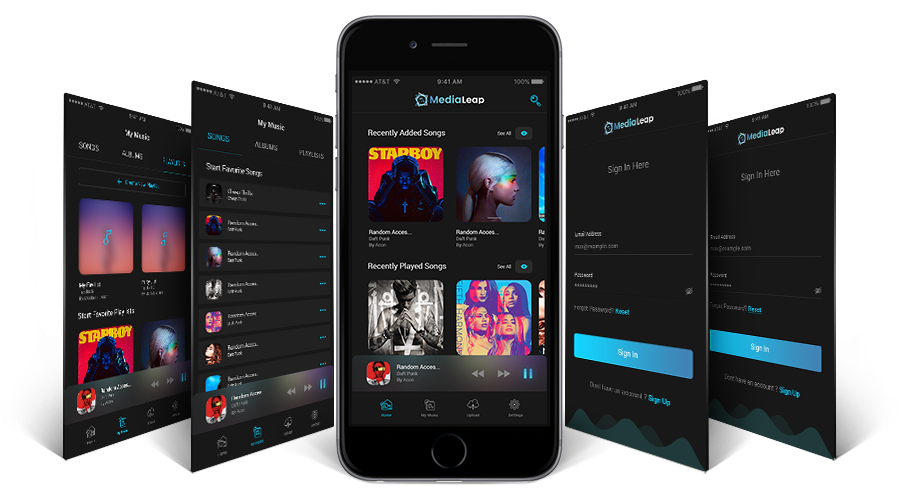


Category
Recent Posts
Διαδικτυακά Καζίνο Χωρίς Ταυτοποίηση Ο Απόλυτος Οδηγός (3)
Τα Διαδικτυακά Καζίνο Χωρίς Ταυτοποίηση διαδικτυακά καζίνο χωρίς ταυτοποίηση έχουν κερδίσει σημαντική δημοτικότητα τα τελευταία χρόνια, προσφέροντας στους παίκτες τη …View more »Поради для безпечного вживання ліків без ризику для здоров’я
Перш ніж приймати будь-який препарат, завжди консультуйтеся з лікарем або фармацевтом. Це може запобігти багатьом проблемам, https://medart.in.ua адже фахівець допоможе …View more »Стратегії швидкого погашення боргів без додаткових витрат
Сплачуйте основну суму позики, goodfinance.com.ua перекидаючи кошти із забезпечених фондів. Зосередьтеся на перевагах, а не на заборгованості. Наприклад, для термінової …View more »