
Exploring the psychology of risk in casino games
The allure of risk in gambling
The psychology of risk in gambling is a captivating area of study that reveals much about human behavior. Many players are irresistibly drawn to the thrill of uncertainty, where every spin of a wheel or flip of a card offers the tantalizing possibility of winning big, and exploring online casino sister sites can enhance that experience even further. This allure is deeply embedded in our psychological makeup, tapping into fundamental human instincts related to reward and adventure. The release of dopamine during moments of high stakes, particularly when a player wins, creates a powerful feedback loop that encourages individuals to seek out more of these exhilarating experiences.
This attraction to risk often varies widely among individuals, influenced by personal experiences and psychological predispositions. While some players thrive in high-stakes environments, believing that the potential for a substantial payout justifies the heightened risk, others prefer the safety of low-risk games. This distinction can be linked to risk tolerance, where some individuals find satisfaction in high-risk scenarios, while others are more cautious. This divergence in attitudes shapes not only their choice of games but also their overall gambling strategies, leading to varied outcomes and experiences in the gambling world.
Cognitive biases also play a significant role in how players perceive and engage with risk. Many gamblers fall prey to misconceptions like the gambler’s fallacy, which leads them to believe that past outcomes will influence future results. Others may experience the illusion of control, where they think their skill or strategy can impact random outcomes. These cognitive distortions serve to intensify the perception of risk, making the gambling experience more alluring, even as it remains inherently unpredictable.
The impact of emotions on decision-making
Emotions are a powerful driving force in decision-making, particularly in the context of casino games. Players often experience a whirlwind of feelings, from the excitement of potential wins to the anxiety of losses. These emotional states can greatly influence decisions at the gaming table. For example, a player on a winning streak may become overly confident, leading them to make riskier bets that stray from their usual strategies. This overconfidence can result in unforeseen losses, creating a rollercoaster of emotions that complicates their relationship with gambling.
The concept of loss aversion is particularly relevant in gambling psychology. Research shows that people tend to feel the pain of losses more acutely than the pleasure of equivalent gains. This intense emotional reaction can lead to irrational decision-making; players might find themselves chasing losses, hoping to recover what they’ve lost. This desperate pursuit can escalate risk-taking behavior, trapping individuals in a cycle of gambling that becomes increasingly difficult to escape.

The social environment of casinos also significantly amplifies emotional responses. The vibrant atmosphere, with its bright lights and celebratory sounds, fosters a sense of community among players. Celebrating wins with fellow gamblers can enhance feelings of belonging and excitement, encouraging individuals to take more risks. This interplay of emotions and social dynamics shapes how players perceive risk and make decisions, often leading to higher stakes and increased gambling activity.
The role of reward systems in gambling
Understanding the role of reward systems is crucial for comprehending the psychology of risk in casino games. Most games are strategically designed to engage the brain’s reward pathways, utilizing techniques like intermittent reinforcement—where rewards are delivered unpredictably. This unpredictability enhances player engagement, as the anticipation of a win often compels players to continue gambling, even in the face of losses. The thrill of winning, no matter how small, reinforces the behavior, making it more likely that players will return for more.
Casinos often implement various reward schemes and loyalty programs to further promote risk-taking behaviors. By offering incentives such as free spins, complimentary drinks, or exclusive access to events, casinos create a perceived value associated with continued play. This strategy goes beyond mere perks; it leverages psychological principles to entice players into making riskier bets, as they associate these rewards with potential gains. The result is a gaming environment where players may feel encouraged to take greater risks in pursuit of these incentives.
The psychological impact of wins, particularly larger ones, can validate a player’s risky behavior. A significant win after a high-stakes bet can evoke intense feelings of euphoria, reinforcing the belief that their risky choices are justified. This cycle of reinforcement can lead players to continuously seek that same thrill, often resulting in escalating risks as they pursue ever-larger payouts. The transient nature of wins can create a compulsion to gamble more, highlighting the intricate relationship between reward systems and risk-taking in gambling.
The influence of environment and design on risk perception
The physical environment of a casino plays a critical role in shaping players’ perceptions of risk. Design elements, such as lighting, sounds, and overall layout, are carefully crafted to create an exciting atmosphere that encourages risk-taking. Bright, flashing lights can stimulate excitement and draw attention to high-stakes games, making them appear more enticing. This sensory overload can skew players’ risk perception, leading them to underestimate the potential dangers associated with their choices.
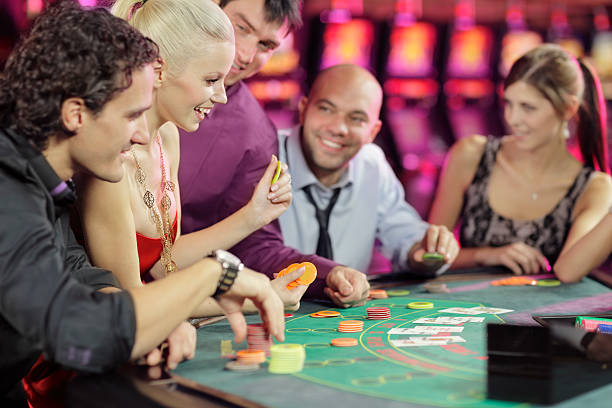
The presence of other gamblers also significantly influences individual risk perception. A crowded table with enthusiastic players can create an exhilarating atmosphere, fostering a sense of community and excitement. Observing others winning can lead to a bandwagon effect, where players feel compelled to join in on risky behaviors, convinced that a win is just around the corner. Conversely, witnessing losses at a table can instill caution, demonstrating the profound impact of social dynamics on gambling behavior.
Furthermore, loyalty programs and incentives can alter how players perceive risk. If players feel that their continued engagement is rewarded through various benefits, they may be more willing to embrace risk, viewing it as a calculated investment rather than mere gambling. This shift in perception can lead to decisions that prioritize chasing higher rewards over exercising caution. The design of the gambling environment thus plays a crucial role in influencing players’ behaviors and risk perceptions.
Understanding responsible gaming and risk management
Responsible gaming practices are essential in mitigating the inherent risks associated with casino games. As awareness of gambling addiction grows, there is an increasing emphasis on equipping players with tools to make informed decisions. Understanding one’s risk tolerance and implementing effective budgeting strategies can help reduce impulsive behaviors that often accompany gambling. These practices not only promote healthier gaming habits but also empower players to maintain control over their gambling experiences.
Casinos are increasingly adopting responsible gaming initiatives aimed at educating players about the risks tied to their activities. These programs offer valuable resources, support, and interventions that emphasize self-awareness and self-regulation. By encouraging players to recognize their risk levels and set boundaries, these initiatives foster a healthier relationship with gaming, shifting the focus from mere financial gain to overall entertainment and enjoyment.
Ultimately, responsible gaming is about understanding and addressing the psychology behind risk in casino games. By creating environments that prioritize education and accountability, the gaming industry can help mitigate the negative consequences associated with high-risk behaviors. As players learn to manage their emotions and make informed choices, the result is a more sustainable and enjoyable gaming experience for everyone involved. This commitment to responsible gaming not only benefits individual players but also promotes a healthier gaming culture overall.

Category
Recent Posts
Grailbet Casino Slot Machine Strategy Guide
Auto-generated excerptView more »BK9 Casino Promo Code: How to Use It
A BK9 casino promo code can unlock welcome bonuses, free spins, cashback, or other promotional rewards, depending on the …View more »Betman Casino — Who Can Register at Betman Casino?
In this review we look specifically at who can register at Betman Casino for players from Australia, how to …View more »